Friday, April 14, 2017

The 10 Best Fitness Apps That Are Free

Whether you're trying to lose weight, track your steps daily, or monitor your eating habits, fitness apps help a great deal when trying to achieve that goal. Below are 10 free apps that you'll be sure to love. Download and test them out!


1. MyFitnessPal


MyFitnessPal is a free smartphone app and website that tracks diet and exercise to determine optimal caloric intake and nutrients for the users' goals and uses gamification elements to motivate users. In a Consumer Reports diet rating, MyFitnessPal was rated the best free program (with 83 points) in overall satisfaction, "maintenance, calorie awareness, and food variety".

2. NIKE + Training Club

The Nike+ Training Club app (AndroidiOS) features workouts designed by professional athletes and celebrities. Workouts focus on strength, endurance, or mobility and offer three levels of difficulty. The app’s audio cues let you focus on the workout instead of the screen; Nike+ Training Club can also be streamed onto a television using Apple TV, Chromecast, or an HDMI cable. After completing a workout, users can share customized photos or posters with the Nike+ community. The app syncs with Nike+ Run Club to keep track of your runs; you can also manually enter activities such as basketball, gym training, or tennis.


3. Charity Miles
Earn money for charities every time you run, walk, or bicycle by using the free Charity Miles app. Corporate sponsors (whose information you'll see as a backdrop image in the app) agree to donate a few cents for every mile you complete. Browse the app's list of charities, find the one that you support, and then hit the road. When a lot of people use Charity Miles, those little bits of money add up.
4. FitStar
FitStar creates custom workouts for you based on your fitness level. You start by doing a few workouts with the app and you give it feedback as you go about which exercises were too tough, too easy, or just right. The app uses that information to create a routine that challenges you in all the right ways. FitStar was purchased by Fitbit in 2015 and now works with some Fitbit devices. The in-app coach is former NFL player Tony Gonzalez, a beefy workout buddy who is nothing but a bundle of positive, cheery feedback, and absolutely no excuses.
5. Lose It!
The free website and app Lose It!, designed for counting calories and logging exercise, can help you lose weight, especially if you tend to eat name-brand American foods. Lose It!, which has been around for years, has an incredibly strong community of supportive people to help you stick to your goals. Lose It! is compatible with a long list of other fitness devices and apps, including Nike+ FuelBand, Fitbit devices, Runkeeper, MapMyFitness, and Jawbone UP, so you can import your calorie intake and balance it effortlessly against your calorie expenditure.
6. SworkIt
Sworkit coaches you through workout routines that are designed to meet your goals, whether it's to improve your cardio health, become more flexible, increase strength, and so forth. Within sections, you can choose to work on certain parts of your body, too, such as doing a strength workout that focuses on your core. One extra feature I like is that Sworkit's includes music options from Spotify, so you can stream a premade workout mix. Paying for a Premium account unlocks even more workouts.
7.Map My Fitness
Under Armour’s Map My Fitness (AndroidiOS) logs more than 600 different fitness activities and syncs with more than 400 devices to give users a complete picture of their athletic performance. Users can search for nearby running routes or share their favorite routes. Map My Fitness saves data on pace, distance, and calories burned for GPS-based workouts; you can use this data to set new personal goals. Through the Map My Fitness community, users can join challenges as well as motivate friends. The latest versions of May My Fitness are compatible with Android Wear and Apple Watch. Premium versions of the app offer personalized training programs and the ability to monitor heart rate zones.
8. Fooducate
More than just a calorie counter, the Fooducate Weight Loss Coach (AndroidiOS) helps steer people toward real-food diets. Fooducate can be personalized depending on activity level, dietary goals, desired weight loss, or health condition. Users track food intake and exercise as well as sleep, mood, and hunger levels — all of which affect what you eat. Scan a barcode at the supermarket and Fooducate will tell you if that item contains unhealthy additives such as sugar, preservatives, MSG, or artificial sweeteners; the app will also recommend healthier options. In-app purchases cover specific dietary needs such as food allergies, low-carb diets, and even diets for pets.
9. Daily Workouts
Daily Workout Apps has separate apps for ab, arm, cardio, glute, and leg workouts — and they all come together in Daily Workouts (AndroidiOS). All told, this app features nearly 100 exercises, which are grouped into targeted workouts (five to 10 minutes) or full-body workouts (10 to 30 minutes). For each exercise, Daily Workouts includes on-screen instructions and a timer set to the length of the interval. The app works without an Internet connection. The full version of Daily Workouts adds workout types such as Pilates and kettleball, as well as additional workout routines.
10. Moves
In a nutshell, ProtoGeo’s Moves (AndroidiOS) is a free alternative to low-end wearable fitness trackers. The app uses a phone’s acceleration, cell tower, and Wi-Fi location data to track a user’s daily walking, running, and cycling activity. (To save the battery, Moves uses GPS and phone sensors sparingly.) This information is presented in an easy-to-read timeline, with route maps saved and familiar locations such as the office and the local coffee shop flagged for future reference. Moves also displays this information in daily and weekly snapshots, which makes it easy to track your progress.


Friday, March 31, 2017

The Importance of Water and How Much You Should Drink Daily

Water is the second most popular beverage in the U.S. after soft drinks. This is a scary stat, since sugary soda is a huge health hazard, upping the risk of obesity, stroke, and other heart problems . However, these dangers can be avoided if people choose to drink water, which doesn’t have negative side effects. So help put the sugary stuff to the side and make water the number one drink of choice. The benefits really are endless. (Just take a look!)

Fluid balance

Roughly 60 percent of the body is made of water. Drinking enough H2O maintains the body’s fluid balance, which helps transport nutrients in the body, regulate body temperature, digest food, and more.

Calorie control

Forget other diet tricks—drinking water could also help with weight loss. Numerous studies have found a connection between water consumption and losing a few pounds . The secret reason? Water simply helps people feel full, and as a result consume fewer calories.

Muscle fuel

Sweating at the gym causes muscles to lose water. And when the muscles don’t have enough water, they get tired . So for extra energy, try drinking water to push through that final set of squats.

Clearer skin

Certain toxins in the body can cause the skin to inflame, which results in clogged pores and acne . While science saying water makes the skin wrinkle free is contradictory, water does flush out these toxins and can reduce the risk of pimples.

Kidney function

Our kidneys process 200 quarts of blood daily, sifting out waste and transporting urine to the bladder. Yet, kidneys need enough fluids to clear away what we don’t need in the body. Let's drink to that!

Productivity boost

In order to really focus, a glass of water could help people concentrate and stay refreshed and alert.

Fatigue buster

Move over coffee—water can help fight those tired eyes too . One of the most common symptoms of dehydration is tiredness. Just another reason to go for the big gulp! (Not the 7-11 kind.)

Hangover help

If booze has got the best of you, help a hangover with a glass of water to hydrate the body and stop that pounding headache.

Pain prevention

A little water can really go a long way. Aching joints and muscle cramps and strains can all occur if the body is dehydrated .

Keep things flowing

Nobody wants to deal with digestion issues. Luckily, drinking enough water adds fluids to the colon which helps make things, ahem, move smoothly.

Sickness fighter

Water may help with decongestion and dehydration, helping the body bounce back when feeling under the weather. Just beware—drinking fluids hasn’t been scientifically proven to beat colds in one swoop, so don’t swap this for a trip to the doctor or other cold remedies.

Brain boost

study in London found a link between students bringing water into an exam room and better grades, suggesting H2O promotes clearer thinking. While it’s unclear if drinking the water had anything to do with a better score, it doesn’t hurt to try it out!

Bottoms Up—Your Action Plan

The amount of water people need per day is up for debate, but studies suggest adults need nine to 16 cups of H2O. However this number varies depending on activity level, age, and how much water people are consuming in coffee, tea, or water-rich veggies and fruit. Here’s how to keep yourself hydrated: Begin by drinking a glass of water as soon as you wake up, and 30 minutes before eating any big meal. (This will help control appetite, too.) Get in the habit of keeping a water bottle on hand at all times. And if the taste beings to bore, spice up the taste buds with a squeeze of citrus to the glass! Before you know it, all the benefits of water will be right at your fingertips… and in your body.

Follow the link below to find out how much water you should drink per day based on your weight and fitness level:

Friday, March 17, 2017

Obsessing Over The Scale

Are you weighing yourself daily? Do you get discouraged when the numbers don't budge but you know you've been working extra hard and eating right? If your answer is yes, you may be obsessed with the scale. You can reach your goal without stressing over numbers. Set goals that aren't defined in pounds like running a 5k, or getting back into your favorite pair of jeans. If you're gonna focus on numbers, let it be numbers you have sole control over such as how many ounces of water you're consuming or how many steps you're taking a day. Whatever your goal is, you'll get there with determination and consistency. Go you!!!


Here are a few plans to help you stop your scale obsession:

Step 1: Take a Baseline

I’m not against data. What I am against is thinking that weight is the sole definition of our health; that’s because so many others markers contribute to our complete health picture (blood pressure, cholesterol, how our clothes fit, the psychological victory of resisting the chili fries on Friday night). So our goal here is to strip ourselves of the emotion that’s tied to the mini-fluctuations that happen if we weigh ourselves every day. But for anyone embarking on a goal to lose some pounds, it is important to know your baseline number. Knowing where you start not only provides knowledge that you can use to empower yourself, but also might be the jumpstart you need to get going. So take your initial weight, know it, own it, then make your move with all of the strategies that can help you lose weight.

Step 2: Ride the Initial Wave of Success

About two or three weeks after making those changes, go ahead and step on the scale. In all likelihood, your body will start showing some movement, as you morph from extra calories to healthy calories and as you move from plopping on the couch to getting up and going. Because it’s only two weeks, you won’t have any false expectations of having to lose a dozens of pounds, but any movement—from one pounds to even five or more—will provide that jolt of motivation to show you that you can do it.

Step 3: Shut It Down—and Wait

After that second weigh-in, I recommend ditching the scale. Why? Because for many of us who have yo-yo’d throughout our lives, the daily or weekly ups and downs are psychological torture. Too many things can influence our weight—hormonal levels, for instance—so there’s no reason to know that number every single stinking day. For me, if I felt like I lost five pounds since I last weighed in, but I only lost three (or worse, gained one!), that was all the data I needed to send me to the drive-thru oasis. Instead of weighing yourself regularly, just keep on with healthy behaviors. And when you feel as if you’ve made some really progress (as in you need new clothes or people are saying “wow” to you), go ahead and step on—and let that new number add to your motivation and keep you going.
Throughout your journey, it does help—in fact, it’s probably essential—to set a goal that’s not defined in pounds, like to run a 5K or a mud run, or to lower your blood pressure and get off medications, or to fit into your high school bathing suit (okay, maybe not that far back). It is important to have goals—to think about what you’re striving for—to keep you focused on the healthy processes that will get you there. For some people, the needle does work as a motivator. But I tend to think that if you focus on other numbers—numbers that you can control, like how many steps you take a day or how many ounces of water you drink—then the other number (the one that’s always lurking around the corner with that sassy smirk) will eventually get to where you want it to go.
Visit the link below for another great read on this topic:

Friday, March 10, 2017

15 Exercises That Burn A Lot of Calories in a Short Time

1. Running Intervals

Image result for RUN

This promises to burn up to 500 calories in 30 minutes. It was specifically designed to be suitable for all fitness levels, so if you’re just diving into a steady fitness routine, it’s a great place to start. And feel free to take the routine outside.

2. Plyometrics

Image result for plyometrics

The fancy word for this type of movement is plyometrics, also referred to as jump training, which includes explosive movements like jumping jacks, jumping rope, and/or box jumps to help build stronger muscles, which can burn up to 10 calories in a minute.

3. Supersets

Image result for superset

Get ready to burn some serious calories, as this type of lifting incorporates a cardio element.

4. Swimming

Image result for swimming

A bonus calorie blaster is hitting the pool. It’s fun, refreshing, and burns calories efficiently. To torch fat and get in an awesome workout, try swimming at a vigorous pace for 13 minutes, at a moderate pace for 19 minutes, or doing water aerobics for 33 minutes. Everyday Health explains all three of these methods are ideal for burning 150 calories in no time.

5. Rowing

Image result for rowing

If you’ve ever tried a rowing machine at the gym, you know how tough it is. You’re using your entire body to pull the weight forward, which means you’re engaging your core, working your legs, and strengthening your back all in one go. Not only is it great for toning, but it’s an excellent way to get in that blood-pumping workout you might usually aim for on the treadmill. SFGate reports a 155-pound person can burn between 520 and 632 calories an hour at a moderate to vigorous pace.

6. Spinning

Image result for spinning

Whether you’re hopping on a stationary bike at the gym or taking a trendy class that incorporates high-intensity intervals with weight training while you’re peddling, you’re in for a serious workout. At a moderate intensity, Livestrong reports a 180-pound person will burn about 570 calories in an hour. If you’re taking a class, however, expect that number to skyrocket; Verywell says the average person burns between 500 and 700 calories during one 45-minute SoulCycle session.

7. Burpees

Image result for burpees

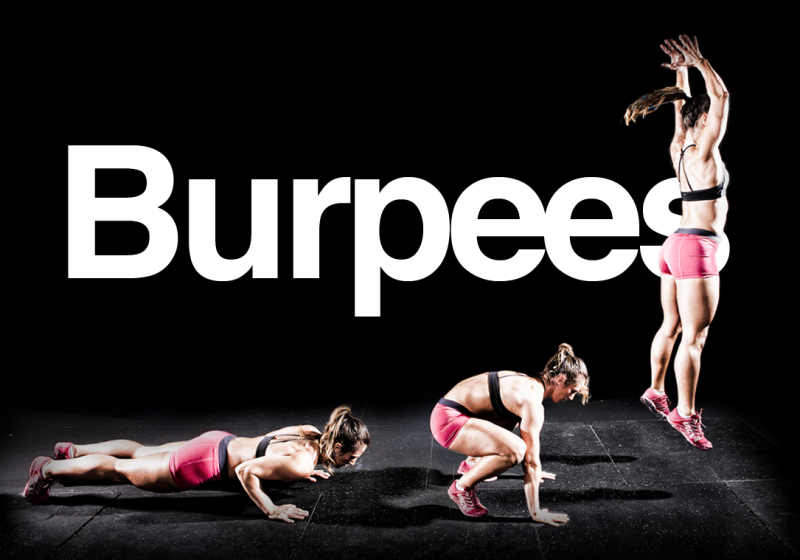
There’s a reason you’re probably only fitting in a minute or two of burpees into your exercise routine — they’re extremely effective, but also incredibly difficult. In essence, a burpee contains three jumps, a few squats, a push-up, and a core workout. Greatist explains they’re hard because you’re utilizing every major muscle group to power through. This also means you’ll be building muscle and torching major calories in the process.Health says this exercise burns 10 calories per minute.

8. Mountain Climbers

Image result for mountain climbers

You can expect to burn about 50 calories for every three sets of 15 to 20 reps. The speed at which you do these matters as well. 

9. Jumping Rope

Image result for jumping rope

This move may take you for a trip down memory lane, but you probably don’t remember just how hard it is to sustain these small jumps for 10 minutes at a time. Fitness suggests trying this short workout to feel the burn. You’ll be doing regular jumps, double hops, side-to-side jumps, and running in place while turning the rope. In just 10 minutes, you can expect to burn somewhere around 135 calories.

10. Cross-Country Skiing

Image result for cross country skiing

You’ll be pushing and pulling your own body weight to glide through the snow, which means your arms and legs are in for a serious workout.About Sports reports you can expect to burn 400 to 500 calories per hour if you’re going at a pace of 2.5 miles per hour and you’re 150 pounds.

11. Stair-Climbing

Image result for stair climbing

Even if you’re just walking up a flight at a slow speed, you’ll still burn two to three times as many calories doing this as opposed to walking briskly on flat terrain.

12. Martial Arts

Image result for martial arts

One-on-one sports such as these require a lot of energy expenditure, as competing against another person will keep you on your toes the whole time. Jillian Michaels says a 190-pound person can burn almost 900 calories in one hour with martial arts-related exercises.

13. Tabata Training

Image result for tabata training

The American Council on Exercise even conducted a study to find if Tabata-style workouts are all they’re cracked up to be. Participants in the study completed a five-minute warm-up followed by four rounds of Tabata, and burned between 240 and 360 calories each. Sounds effective to us.

14. Rock Climbing

Image result for rock climbing

If you’ve never been rock climbing, don’t worry — as you continue to build grip strength and learn how to climb, you’ll be able to climb higher and more difficult routes. Life by Daily Burn says you can torch between 500 and 900 calories in an hour.

15. Hill Sprints

Legs and shoes of four young adults

Try this workout as outlined by Runner’s World, which calls for a hill that’s about 40 to 80 meters long (if you’re on a treadmill, add incline and aim to run for 10- to 20-second intervals). Run up the hill at 50% of your maximum speed, then jog back down, and do this five times. Next, run up the hill at 80% of your max speed and back down for two to three times. Finally, sprint up the hill as fast as you can once, and jog back down. Repeat the sequence 10 to 20 times to burn about 600 calories.

Friday, March 3, 2017

10 Best Foods For Flat Abs

You think abs are only made in the gym? Think again! What you eat serves as a big factor for those rock hard abs you're looking to gain. Here are 10 of the best foods to help you get there!

1. Almonds

These delicious and versatile nuts contain filling protein and fiber, not to mention vitamin E, a powerful antioxidant. They're also a good source of magnesium, a mineral your body must have in order to produce energy, build and maintain muscle tissue, and regulate blood sugar. "A stable blood-sugar level helps prevent cravings that can lead to overeating and weight gain," says David Katz, MD, a professor at the Yale University School of Medicine. But what makes almonds most interesting is their ability to block calories. Research indicates that the composition of their cell walls may help reduce the absorption of all of their fat, making them an extra-lean nut.

2. Eggs

You won't find a more perfect protein source. Eggs are highly respected by dietitians because of their balance of essential amino acids (protein building blocks used by your body to manufacture everything from muscle fibers to brain chemicals). We like them because they keep our hands out of the cookie jar. Researchers at the Pennington Biomedical Research Center found that when people ate eggs in the morning, they felt less hungry throughout the day than when breakfast consisted of complex carbohydrates like bagels. "The protein and fat in the egg may be contributing to the feeling of satiety," says lead researcher Nikhil V. Dhurandhar, PhD.

3. Soy

Soybeans are a great source of antioxidants, fiber, and protein. Plus, they're incredibly versatile. Snack on dry-roasted soybeans, toss shelled edamame into soups, and slip a spoonful of silken tofu into your morning smoothie. Liquid soy also makes a good meal replacement: A study from the Journal of the American College of Nutrition found that overweight subjects who drank a soy milk-based meal replacement lost more weight than those who consumed a traditional dairy-based diet drink.

4. Apples

A 2003 study in the journal Nutrition found that overweight women who consumed three apples or pears a day for three months lost more weight than their counterparts who were fed a similar diet with oat cookies instead of fruits. "A large apple has 5 grams of fiber, but it's also nearly 85 percent water, which helps you feel full," explains Elisa Zied, RD, author of So What Can I Eat?! (Wiley, 2006). Apples also contain quercetin, a compound shown to help fight certain cancers, reduce cholesterol damage, and promote healthy lungs.

5. Berries

Most are loaded with fiber, every dieter's best friend. The more fiber you eat — experts say that it's best to get between 25 and 35 grams every day — the fewer calories you absorb from all the other stuff you put in your mouth. That's because fiber traps food particles and shuttles them out of your system before they're fully digested. Berries (and other fruits) are also high in antioxidants, which not only help protect you from chronic diseases like cancer but may also help you get more results from your workouts. "Antioxidants help improve blood flow, which can help muscles contract more efficiently," says Dr. Katz.

6. Leafy Greens

Their cancer-preventing carotenoids won't help shrink your waistline, but their low calorie count definitely will. One cup of spinach contains only about 40 calories, while a cup of broccoli has 55 calories and satisfies 20 percent of your day's fiber requirement. Most leafy greens are also a good source of calcium, an essential ingredient for muscle contraction. In other words, they help fuel your workouts.

7. Yogurt

People who get their calcium from yogurt rather than from other sources may lose more weight around their midsection, according to a recent study published in the International Journal of Obesity. The probiotic bacteria in most yogurts help keep your digestive system healthy, which translates into a lower incidence of gas, bloating, and constipation, which can keep your tummy looking flat.

8. Veggie Soup

Researchers at Pennsylvania State University found that people who ate broth-based (or low-fat cream-based) soups two times a day were more successful in losing weight than those who ate the same amount of calories in snack food. Soup eaters also maintained, on average, a total weight loss of 16 pounds after one year. "Plus, it's a simple way to get your vegetables," says Susan Kleiner, PhD, RD, author of Power Eating (Human Kinetics, 2001).

9. Salmon

Seafood, especially fatty fish like salmon, tuna, and mackerel, is an excellent source of omega-3 fatty acids. These uber-healthy fats may help promote fat burning by making your metabolism more efficient, according to Kleiner. An Australian study showed that overweight people who ate fish daily improved their glucose-insulin response. Translated, this means that seafood may help slow digestion and prevent cravings. If that doesn't hook you, consider this: Seafood is an excellent source of ab-friendly protein.

10. Quinoa

Never heard of it? Pronounced KEEN-wah, this whole grain contains 5 grams of fiber and 11 grams of protein per half cup. Cook it as you would any other grain (although some brands require rinsing). Quinoa's nutty flavor and crunchy-yet-chewy texture are like a cross between whole wheat couscous and short-grain brown rice.

Friday, February 17, 2017

Sex Positions That Double As Exercise

What are you doing on the days you aren't working out? Maybe you're working it out in the gym and at home 😃. Did you know that certain sex positions work different muscle groups? Check them out below!


1. Missionary

In a way, the missionary position is the physical equivalent of the old "I'm busy washing my hair" excuse — it's the brush-off used when you're lazy, tired, or just not that interested. But despite being one of the most passive contortions for a woman, man-on-top can still provide a pretty good workout.
"It depends on how enthusiastic you are about it, but missionary can be great for the core muscles," says Stacy Berman, a New York City-based certified fitness trainer and founder of Stacy's Boot Camp. "If your partner is thrusting toward you, you want to have an equal and opposite thrust back, and that requires a lot of core strength. It actually will start burning."
Patti Britton, author of The Art of Sex Coaching and immediate past president of the American Association of Sexuality Educators, Counselors and Therapists, agrees that you'll definitely be feeling it in your abs. "You can strengthen your core by focusing on pelvic lifting using your core, not your lower back. That's where women tend to get stuck — they tend to rely on their lower back to give them propulsion." (The risk of which isn't a joke, either. Worst-case scenario, you could throw out your back or sustain some other injury — not exactly a bedroom turn-on.)
Missionary position can also provide a good butt workout. "The more she does buttock squeezes, the more she could accentuate her riding toward him to give herself a good glute workout," Britton says.

2. Doggy-Style

Like with the missionary position, penetration-from-behind sex engages the woman's core because she has to stabilize herself on all fours, says Berman. You'll also be working your quadriceps and glutes to help brace yourself against the impact.
However, you can use a modified position to get a good arm workout, too. Rather than having your hands flat on the bed, "if the woman has her hands on a wall in front of her and sort of uses her upper body to help thrust, that would be a good shoulder and upper body workout," Berman says.

3. Cowgirl

With a standard cowgirl position, the lower part of the woman's legs are braced on the bed or floor, which will engage her butt and core.
"Much like riding a horse, she's going to flex her lower abs and pelvic muscles," says Yvonne K. Fulbright, a certified sex educator and author of Touch Me There! "Pressing into the man's abs and sides with her quads or calves can engage those muscles as well."
Modifying the cowgirl position can work additional muscle groups. "To make it even more intense, she can come up onto her feet, almost like a squat over him. That's all butt, legs, and hips," says Berman. "If she gets up onto her feet and leans onto her hands, she'll also have to use her upper body to balance."

4. Lotus

Like the missionary position, the lotus sitting position is one of the more passive sex positions. However, many of the same muscles worked in the cowgirl position are going to be used in this contortion: the core is engaged to stabilize the body, and the glutes are worked during thrusting.

5. Standing

Standing is one of the more challenging positions because often the woman has to allow her partner to lift her in some way, says Britton.
If the man and woman are facing each other, core and upper-leg strength comes into play: if she's standing on one leg, those leg muscles are worked to keep her upright, and core muscles are engaged to keep her balanced. If she's wrapping both legs around her partner, she'll need good arm strength to hold onto her partner. And regardless which one of these contortions she's in, "she has to have stamina if she's standing," says Britton.
If the man and woman are facing the same direction, the same muscles engaged in doggy-style are used: she'll work her core for balance, and her arms can be worked if she's bracing herself against a wall or headboard and using them to help thrust.

6. Scissors

According to Britton, the scissors position is the least strenuous of all — there's no suspending of body weight, and it generally makes for gentler and slower penetration (which would explain why it's often recommended for pregnant women). "Scissors is for when you're tired, not for being an acrobat in bed," she says. Still, that's not to say you won't still be engaging muscle groups.
With your legs intercrossed with your partner's, there's limited movement for both the man and women, so a lot of inner-thigh strength and core stabilization will be at work. "When you squeeze your inner thighs, the core will naturally contract as well," Berman explains.

7. Bridge

With the bridge, the woman is facing upward, using all four limbs to hold her body weight off the bed. All our sex experts agree: this pose is not for the weak. Or, as Britton puts it: "Oh, God, she better be yoga-ing five days a week or training as a gymnast."
"This is a highly advanced position," Britton says. "She needs to stabilize herself so as he's thrusting in and out, she doesn't crash."
Even if you pile a tower of pillows under your back to help support your weight (which Britton recommends), you'll still definitely be working your buttocks and inner-thigh muscles, says Fulbright. "This is going to work all of it — her biceps, triceps, abs, glutes, quads, calves. Unless she's really strong, she shouldn't expect to hold this position for long."

8. Arch

The arch is a modified bridge pose, with a woman resting on her shoulders while using her legs to hold her lower body off the bed.
"In many ways, she's using the same muscle groups as for the bridge, only working them harder because she's using less to hold herself up," says Fulbright. Your core muscles, glutes, and thighs are all worked in the arch. 

9. Lunges

Sure, you might hate doing lunges at the gym while your personal trainer named Cheetah is yelling at you to do "just five more," but you might not mind them so much in the bedroom.
Like the name suggests, the lunge position has the woman sitting on top of the man, with one leg planted in front of her and the other leg extended behind her in between the man's legs. This move is good for the quad, front of the leg, hamstring, core, and butt.
Happy Sexercising!!!!